The Process of Offshore Business Formation: A Step-by-Step Guide for New Entrpreneurs
The procedure of overseas Business Formation is a vital journey for new entrepreneurs. It requires cautious consideration of different elements, such as jurisdiction and Business framework. Each action, from choosing an area to keeping conformity, plays a crucial duty in the success of the endeavor. Comprehending these elements can be complicated. However, realizing each stage is vital for steering through the ins and outs of developing a profitable offshore company. What follows may surprise several hopeful local business owner.
Understanding Offshore Business Development
Offshore Business Formation has ended up being progressively prominent amongst business owners seeking to optimize their operations and tax obligation responsibilities. This procedure includes developing a business entity in a foreign jurisdiction, commonly to take benefit of favorable regulative settings, tax obligation motivations, and enhanced privacy. Entrepreneurs frequently pick offshore Formation for different factors, including asset protection, lowered taxes, and increased market access.
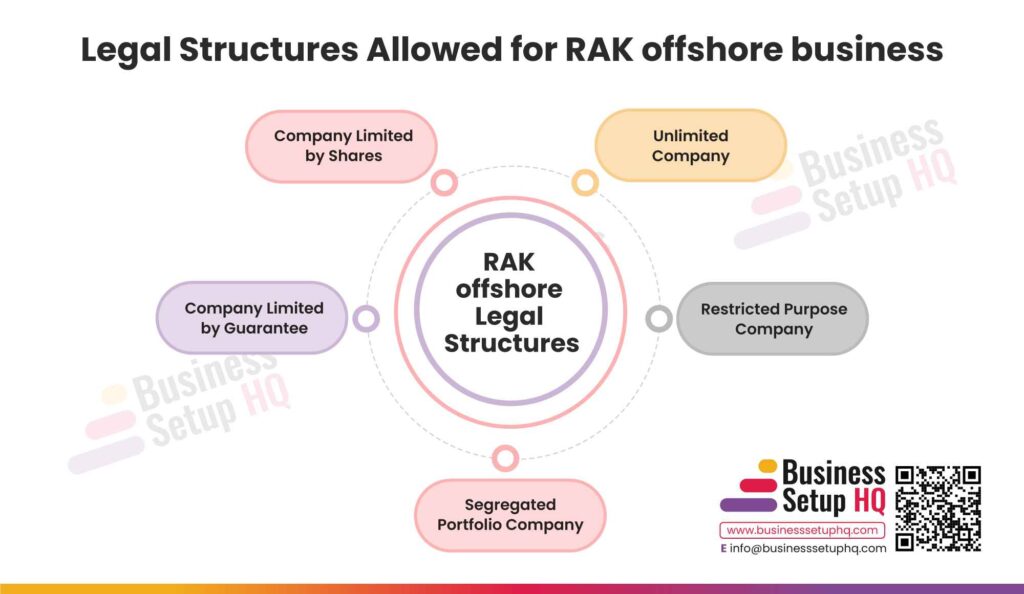
The fundamental aspects of offshore Business Formation include selecting the suitable Business structure, such as a corporation or restricted responsibility firm. Business owners have to additionally browse lawful demands, such as registration, compliance with neighborhood regulations, and the consultation of supervisors or policemans. In addition, recognizing the effects of global guidelines, banking plans, and reporting obligations is vital.
Inevitably, offshore Business Formation provides tactical benefits, yet it needs careful factor to consider and thorough understanding of the linked regulations and procedures to guarantee conformity and make the most of advantages.
Choosing the Right Territory
When selecting a territory for Business formation, what variables should entrepreneurs think about to guarantee suitable outcomes? Initially, the legal structure is vital; jurisdictions with stable legislations and strong security for businesses commonly foster a positive environment. Tax obligation implications additionally play a significant role; several business owners look for low or no corporate tax obligations, which can enhance success.
Additionally, the track record of the jurisdiction is important; a well-regarded location can enhance reputation and bring in financiers. Entrepreneurs need to likewise take into consideration the ease of operating, including the simpleness of registration processes and continuous conformity needs.

Accessibility to experienced labor and Business infrastructure can greatly affect functional effectiveness. Comprehending local laws and possible language barriers can help mitigate threats. By thoroughly examining these variables, entrepreneurs can select a jurisdiction that aligns with their Business goals and maximizes their opportunities for success in the offshore market
Preparing the Essential Paperwork
Selecting the best territory prepares for successful Business development, yet business owners need to additionally concentrate on the paperwork needed to develop their firms efficiently. Crucial files typically include an organization strategy, articles of incorporation, and recognition for all investors and supervisors. Entrepreneurs must likewise prepare a memorandum of organization, which lays out the business's purpose, and an authorized office address in the selected territory.
Furthermore, depending on the nature of business, permits or licenses may be needed to abide by local policies. Financial declarations, an operating arrangement, and tax obligation recognition numbers might additionally be required.
It is important for entrepreneurs to ensure that all documents is exact and extensively reviewed, as wrong or insufficient entries can bring about hold-ups or denials. Seeking expert support may help in maneuvering jurisdiction-specific requirements, making specific that all essential documentation is correctly planned for a smooth Formation process.
Registering Your Offshore Company
To effectively sign up an overseas firm, entrepreneurs should navigate the certain procedures stated by their picked territory. This generally entails picking an unique company name that abides by local policies and filing the necessary application types. Business owners need to prepare to give information regarding the service monitoring, framework, and possession.
Next off, they should submit called for documents, such as evidence of identity and address for shareholders and directors, in addition to the business's Memorandum and Articles of Organization.
Repayment of enrollment costs is likewise important, which can differ considerably by jurisdiction. After entry, the enrollment authority will review the application, which might take anywhere from a few days to numerous weeks.
When accepted, business owners will receive a certification of incorporation, noting the official facility of visit here their offshore business. This vital action lays the structure for more Business activities and conformity with local regulations.
Keeping Conformity and Managing Your Offshore Business
Just how can entrepreneurs guarantee their overseas Business stays compliant while efficiently handling its procedures? To determine conformity, company owner have to familiarize themselves with the laws and regulations of the territory where their offshore business is registered. Consistently updating their expertise on tax obligations, reporting needs, and regional Business laws is crucial.
Additionally, employing local legal and economists can provide useful insights and support. Carrying out durable interior controls and record-keeping systems additional help in preserving conformity. Normal audits can recognize potential concerns prior to they escalate.
Reliable administration also includes developing clear interaction channels with stakeholders and ensuring all employees are learnt conformity matters. Using overseas software options can simplify procedures and enhance openness. By focusing on conformity and management techniques, entrepreneurs can lessen threats and foster a stable environment for their offshore service, inevitably adding to its lasting success.
Regularly Asked Inquiries
What Are the Tax Obligation Implications of Offshore Business Formation?
The tax obligation effects of overseas Business Formation differ by territory, consisting of possible tax obligation advantages, minimized rates, and conformity needs. Entities have to consider local regulations, global treaties, and the effect on their total tax obligation strategy.
Can I Open Up a Financial Institution Account From Another Location for My Offshore Business?
Yes, individuals can open a checking account from another location for their overseas company, offered they meet the financial institution's needs. This usually entails sending required documentation and verifying the identification of business proprietor and the business itself.
Are There Any Kind Of Limitations on Foreign Possession in Offshore Jurisdictions?

Just how Lengthy Does the Offshore Company Enrollment Process Generally Take?
The overseas firm registration process typically takes in between one to four weeks, depending on the territory and the intricacy of the organization framework. Elements such as documentation efficiency can influence the overall timeline substantially.
What Are the Expenses Connected With Keeping an Offshore Service?
Preserving an offshore Business commonly incurs costs such as yearly registration charges, compliance expenditures, accounting services, and prospective lawful costs, which can vary considerably based on territory and particular website link Business requirements, impacting overall operational expenditures.
Offshore Business Formation has come to be progressively preferred among business owners seeking to enhance their procedures and tax obligations. The basic aspects of overseas Business Formation consist of choosing the ideal Business structure, such as a company or restricted liability business. To identify compliance, Business proprietors should acquaint themselves with the laws and policies of the territory where their overseas company is registered. The tax effects of overseas Business Formation vary by territory, consisting of potential tax benefits, minimized prices, and conformity requirements (Offshore Company Formation). The offshore company enrollment procedure generally takes between one to four weeks, depending on the jurisdiction and the complexity of the Business structure